
Introduction
Sugar. It’s in your morning coffee, your favorite cereal, that mid-afternoon soda, and even the “healthy” granola bar you grab after the gym. Sweet, comforting, and addictive—sugar has become an inseparable part of modern life. Yet behind its innocent taste lurks a silent threat to our health, one that scientists, doctors, and nutritionists have been warning us about for decades.
In this article, we’ll peel back the glossy wrapper on sugar, examining what it does to the body, how it impacts society, and why it’s one of the biggest public health concerns of our time. Whether you’re a passionate foodie, a health-conscious parent, or simply someone who loves dessert, understanding the dangers of sugar could be the key to a longer, healthier, and more vibrant life.
A Brief History of Sugar
Before diving into the science, it helps to understand how sugar became so entrenched in our diets.
For most of human history, sugar was rare. People got their sweetness naturally—through fruits, honey, or occasionally from sugarcane in tropical regions. In medieval Europe, sugar was a luxury item reserved for royalty and the wealthy elite. But with the rise of global trade, sugar plantations, and eventually the industrial revolution, refined sugar became cheap and abundant.
By the 20th century, sugar consumption skyrocketed, thanks to processed foods, soft drinks, and candy. What was once a rare delicacy became an everyday staple. Today, the average American consumes about 17 teaspoons of added sugar per day—nearly double the recommended limit.
The Hidden Problem
One of the biggest dangers of sugar isn’t just how much we eat, but how hidden it is in our food.
Even when you skip desserts, sugar sneaks into bread, ketchup, pasta sauce, yogurt, salad dressings, and so-called “health bars.” Food manufacturers add sugar to enhance flavour, extend shelf life, and even create a more addictive eating experience.
In fact, there are over 60 different names for sugar on ingredient lists, including high fructose corn syrup, evaporated cane juice, maltose, dextrose, rice syrup, and agave nectar. This clever labelling keeps consumers confused and makes it harder to spot just how much sugar we’re actually consuming.
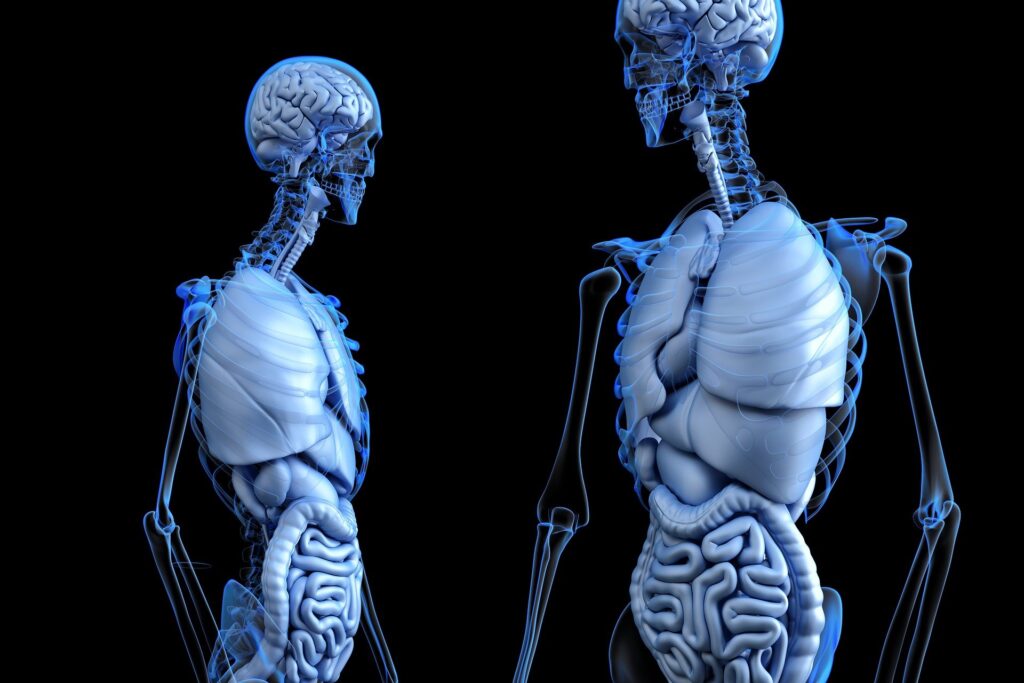
What Does It Do To Your Body?
So, what actually happens when we eat sugar?
When you consume sugar (especially refined sugar or high fructose corn syrup), it rapidly enters your bloodstream as glucose. This spikes your blood sugar levels, prompting your pancreas to release insulin, the hormone responsible for moving glucose into your cells for energy.
That doesn’t sound so bad, right? The problem arises when this cycle happens over and over with excessive sugar intake. Over time, the body becomes less sensitive to insulin, leading to insulin resistance—a precursor to type 2 diabetes.
But that’s just the beginning. Excess sugar affects nearly every system in the body, from your brain to your heart.
Weight Gain
One of the most obvious effects of sugar is its role in weight gain. Unlike protein or fat, sugar doesn’t provide satiety. A can of soda, for instance, may deliver 150 calories, but it won’t make you feel full—so you keep eating.
Worse, sugary foods trigger the brain’s reward system, releasing dopamine and creating a “pleasure response” similar to addictive drugs. This explains why it’s so hard to stop at just one cookie or one slice of cake.
Fructose, a component of table sugar and high fructose corn syrup, is particularly problematic. Unlike glucose, fructose is metabolized primarily in the liver, where it can be converted into fat. This contributes to visceral fat, the dangerous fat that surrounds your organs and increases the risk of heart disease.
Sugar Not Fat Is the Major Cause of Heart Disease
For years, dietary fat was blamed as the number one cause of heart disease. But new research shows that sugar may be just as harmful—if not more.
High sugar intake raises triglyceride levels, lowers HDL (the “good” cholesterol), and promotes inflammation, all of which are major risk factors for cardiovascular disease. A 2014 study published in JAMA Internal Medicine found that people who consumed 25% or more of their daily calories from added sugar had nearly double the risk of dying from heart disease compared to those who consumed less than 10%.
In short: sugar doesn’t just expand your waistline—it threatens your heart.
Type 2 Diabetes
The link between sugar and type 2 diabetes is well established. Frequent sugar consumption overloads the body’s insulin system, leading to insulin resistance. Over time, the pancreas can no longer keep up with the demand for insulin, and blood sugar levels remain chronically high.
According to the CDC, more than 37 million Americans have diabetes, and another 96 million have prediabetes. While not all cases are directly caused by sugar, excess sugar consumption is one of the strongest contributors to this epidemic.
Sugar and the Brain
If you’ve ever experienced a “sugar high” followed by a crash, you’ve felt first-hand how sugar affects the brain. But the long-term effects are far more concerning.
Research suggests that excessive sugar may impair memory, reduce cognitive function, and even increase the risk of Alzheimer’s disease. Some scientists now refer to Alzheimer’s as “type 3 diabetes” because of the role insulin resistance plays in the brain.
Sugar also hijacks the brain’s reward system, reinforcing addictive behaviour. Studies in animals show that sugar can be even more addictive than cocaine in some cases. No wonder it feels so hard to quit.
Links to Cancer
While sugar itself doesn’t “cause” cancer, it creates an environment in the body that allows cancer cells to thrive. Cancer cells consume glucose at a much higher rate than normal cells. Excess sugar also promotes inflammation and obesity—both strong risk factors for various types of cancer.
In fact, a study in Nature Communications revealed that high sugar intake could accelerate the growth of certain tumors. While more research is needed, the evidence suggests that reducing sugar is a smart move for cancer prevention.
Sweet Treats and Rotten Teeth
Dentists have been warning about sugar for decades—and for good reason. Sugar feeds harmful bacteria in the mouth, producing acid that erodes tooth enamel and causes cavities.
Children are particularly vulnerable, as sugary drinks and snacks remain a leading cause of childhood tooth decay. Despite advances in dental care, sugar consumption continues to be a major driver of oral health problems worldwide.
Inflammation Equation
Inflammation is at the root of many chronic diseases, from arthritis to heart disease to autoimmune disorders. Excess sugar consumption triggers low-grade, chronic inflammation throughout the body.
This inflammatory response damages blood vessels, stresses the immune system, and accelerates aging. It’s one of the reasons why people who eat high-sugar diets often report feeling sluggish, bloated, or achy.
The Emotional Side of Sugar
Beyond physical health, sugar also impacts mental well-being. Studies have linked high sugar intake with increased risk of depression and anxiety. The blood sugar spikes and crashes create mood swings, irritability, and fatigue.
There’s also the emotional dependency many people develop with sugar. We turn to sweets for comfort, celebration, or stress relief, reinforcing a cycle that makes it difficult to cut back.
How Much Sugar is Too Much?
The World Health Organization (WHO) recommends that adults and children limit added sugar intake to less than 10% of daily calories, and ideally below 5%. For the average adult, that’s about 25 grams, or 6 teaspoons per day.
But here’s the reality: many people consume 3–4 times that amount without even realizing it. A single can of Fizzy Juice/Soda contains about 65 grams of sugar—more than double the daily limit.
The Food Industry’s Role
The dangers of sugar are not just about personal choice—they’re also about systemic issues in the food industry.
Processed food companies know that sugar sells. It makes products taste better, keeps customers coming back, and masks the flavor of low-quality ingredients. Even products marketed as “low-fat” often contain added sugar to make up for lost flavor.
In the 1960s, the sugar industry even paid scientists to downplay the link between sugar and heart disease, shifting the blame to fat. This deception shaped decades of dietary guidelines and contributed to the obesity epidemic we face today.

How to Break Free from the addiction
Breaking free from sugar doesn’t mean you have to live a joyless, dessert-free life. It’s about awareness, balance, and making smarter choices. Here are some practical tips:
- Read labels carefully – Look for hidden sugars in sauces, dressings, breads, and snacks.
- Choose whole foods – Fresh fruits, vegetables, lean proteins, and whole grains are naturally low in added sugar.
- Cut back on sugary drinks – Replace soda and juice with water, sparkling water, or unsweetened tea.
- Find healthier sweeteners – Use small amounts of honey, maple syrup, or stevia if you need sweetness.
- Retrain your palate – The less sugar you consume, the less you crave it over time.
- Plan for indulgence – Enjoy treats occasionally, but don’t let them become daily staples.
Sweeteners and alternatives Are They Safe?
Artificial sweeteners like aspartame, sucralose, and saccharin are marketed as “sugar-free” options. While they may help reduce calorie intake, their long-term effects are still debated. Some studies suggest they may disrupt gut bacteria or increase cravings for sweet foods.
Natural alternatives like stevia, monk fruit, and erythritol are generally considered safer, but moderation is still key.
A Cultural Shift is Needed
Reducing sugar intake isn’t just a personal health choice—it’s a cultural shift. Schools, workplaces, and governments need to take action to reduce sugar consumption at the population level. Some cities have introduced soda taxes, while others are pushing for clearer labelling.
Ultimately, the goal is not to eliminate sugar completely but to restore it to what it once was: an occasional treat, not a daily staple.
Final Thoughts
Sugar may be sweet, but its consequences are anything but. From obesity and heart disease to diabetes and mental health struggles, sugar’s impact on our bodies and society is undeniable.
The good news is that awareness is growing. By understanding the dangers of sugar and making conscious choices, we can take control of our health—and rediscover the true sweetness of life in natural, nourishing foods.
The next time you reach for that soda or candy bar, pause for a moment. Ask yourself: is the momentary sweetness worth the long-term risk? Your body—and your future self—will thank you.